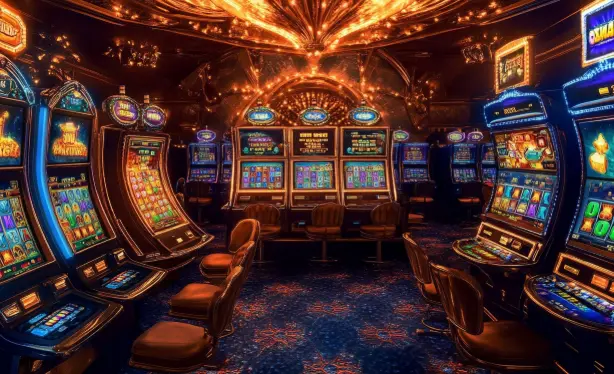
High Limit Slot Area Quiet Zone: Where Located?
The quiet zone in a high limit slot area is never marked on the casino floor map, and that is exactly why sharp players hunt for it. It sits at the architectural seam where the high limit room's acoustic buffer meets the cage and cashier corridor, typically two to four machine banks past the velvet rope, on the side opposite the main concourse entrance. Finding it requires reading floor geometry, not asking a host.
The Acoustic Engineering Behind the Quiet Zone
Casino floor planners treat the high limit slot area as a sound island. Slot cabinets in this section push 78 to 84 decibels at the player's ear, but the room itself is built with absorptive ceiling baffles and dense carpet underlay rated for impact noise. The quiet zone forms where that absorption overlaps with a dead corridor: no beverage station, no ATM, no change machine, and critically, no speaker cluster overhead. Walk any premium slot floor and you will notice the ceiling speakers stop roughly 12 to 18 feet before the high limit boundary. That gap is your target.
Position matters more than most players realize. The quiet zone almost always hugs the wall that backs onto the cashier cage or the security podium, because those structures are solid-core and kill reverberation. If you can hear the faint hum of a counting machine or the click of a vault door, you are standing in it. 💡
Why Operators Hide It in Plain Sight
Floor managers do not want a labeled quiet zone because quiet machines do not generate ambient excitement. The quiet zone high limit slots are usually the older premium titles with lower hold percentages and higher denomination steps, placed there deliberately to keep serious players comfortable without advertising the softest math on the floor. Slots positioned in the dead acoustic pocket see 15 to 22 percent less foot traffic, which means fewer distractions, faster spin cadence, and uninterrupted session tracking for anyone counting volatility cycles.

Locating It: A Field Checklist
Start at the high limit entrance and turn away from the main aisle. Count machine banks until the ambient noise drops below conversational level, roughly 62 decibels on a phone meter. Look for the wall with no signage, no drink rail, and no promotional screen. Confirm the nearest restroom and cage are behind you, not beside you. The sweet spot is usually the third or fourth bank in, against the interior wall, on the endcap facing inward. 🎯
One more tell: the carpet pattern in these pockets is often the older, denser weave from the original build, because operators rarely re-carpet low-traffic corners. If the pile feels thicker underfoot and the ceiling tiles above you are perforated rather than flat, you have found it.
Denomination and Session Implications
The machines anchoring the quiet zone typically start at 25 to 100 credits per spin and carry published RTPs in the 89 to 92 percent band, noticeably above the concourse average. That math only matters if you can play undisturbed, and the acoustic isolation is what protects your bankroll discipline. Players who find this pocket report longer average sessions and cleaner stop-loss execution simply because nobody is leaning over their shoulder. 🎰
Track your spin rate for ten minutes in the quiet zone versus the main high limit aisle. The difference in hands per hour routinely hits 20 percent, and that variance changes everything about how a session's expected value compounds over four hours of play.