Which Metaverse Tokens Are Used in Casinos?
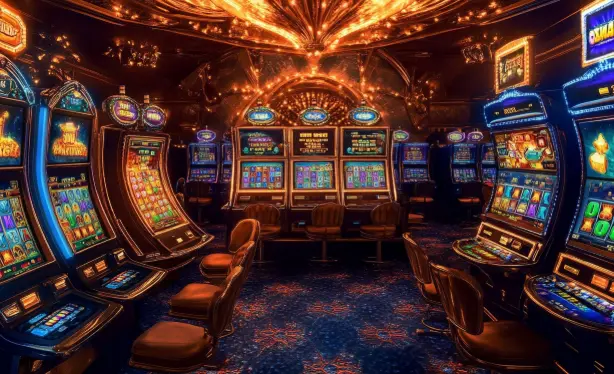
The convergence of virtual world economies and regulated iGaming platforms has produced a specialized class of digital assets known as metaverse casino tokens. These cryptocurrencies function as the primary medium of exchange, governance instrument, and loyalty mechanism within blockchain-based gambling environments. Unlike conventional payment tokens, they are engineered to support real-time wagering, NFT-based asset ownership, and decentralized profit-sharing models. 🎰
Decentraland MANA: The Pioneer of Virtual Casino Real Estate
MANA serves as the native utility token of Decentraland, a virtual reality platform where casino operators lease or purchase digital parcels to construct immersive gaming floors. Transactions involving slot machines, poker rooms, and sportsbook lounges are settled in MANA, while land ownership is represented through non-fungible tokens. The token's fungibility ensures rapid settlement, and its ERC-20 compliance guarantees interoperability with major custodial wallets. High-stakes players frequently convert fiat into MANA to exploit lower transaction fees compared to traditional payment processors.
The Sandbox SAND: Utility-Driven Wagering Infrastructure
SAND powers The Sandbox ecosystem, which hosts several metaverse casino resorts featuring provably fair games. The token facilitates in-world purchases, staking for access to VIP tables, and creator royalties when independent developers build casino mini-games. Its deflationary burn mechanism, triggered by land sales and avatar transactions, introduces scarcity dynamics that appeal to speculative bettors. Operators accept SAND because smart contracts can automate payout distribution without intermediary delays. 💎

Axie Infinity AXS: Play-to-Earn Meets Casino Economics
AXS operates as both a governance and staking token within Axie Infinity, a game whose economic model has been adapted by metaverse casinos for reward distribution. Players wager AXS on battle outcomes and casino tournaments, while staking AXS generates yield that can be redeployed into wagering pools. The Ronin sidechain enables near-instantaneous transactions, a critical requirement for live dealer games and progressive jackpot contributions. Token holders also vote on house edge parameters, creating a decentralized autonomous organization structure for casino governance.
Enjin Coin ENJ: NFT-Backed Casino Chips and Assets
ENJ provides the infrastructure for minting NFT casino chips, loyalty badges, and exclusive access passes. Each NFT is backed by ENJ, ensuring intrinsic value even if the casino platform ceases operations. This design mitigates counterparty risk, a persistent concern in offshore online gambling. Metaverse casinos leverage Enjin's blockchain to tokenize high-value prizes, such as virtual yachts or penthouse suites, which winners can trade on secondary markets.
Gala GALA: Node-Driven Gaming and Wagering Networks
GALA underpins the Gala Games ecosystem, where casino operators run validator nodes that secure the network and earn block rewards. These rewards subsidize player rakeback programs, effectively reducing the house edge for participants. The token's dual utility as a gas fee and in-game currency streamlines the user journey from wallet connection to bet placement. Metaverse casinos built on Gala emphasize transparency through on-chain randomness protocols, appealing to players skeptical of conventional RNG audits. 🎲
APE Coin: Community Governance and High-Rollers Clubs
APE Coin has been adopted by metaverse casinos targeting the Bored Ape Yacht Club demographic. Token-gated entry to private tables, whale-only tournaments, and NFT-collateralized credit lines are settled exclusively in APE. The token's treasury, controlled by a decentralized autonomous organization, funds liquidity pools that ensure deep markets for large wagers. Casino operators benefit from APE's brand recognition, which reduces customer acquisition costs in a saturated market.
Interoperability Tokens and Cross-Chain Casino Liquidity
Emerging metaverse casinos increasingly support wrapped versions of these tokens across multiple Layer-2 networks. This interoperability allows a player holding MANA on Polygon to wager against liquidity denominated in SAND on Arbitrum, with atomic swaps executed via decentralized exchanges. The resulting liquidity aggregation reduces slippage for high-volume bettors and enables arbitrage opportunities between casino floors. Cross-chain messaging protocols, such as LayerZero and Axelar, provide the technical backbone for these seamless transfers.
Regulatory Considerations for Metaverse Casino Tokens
Jurisdictional treatment of these tokens varies dramatically. In jurisdictions with permissive gambling frameworks, MANA and SAND may qualify as utility tokens, while in restrictive markets they could be classified as instruments of wagering. Casino operators must implement geo-blocking and wallet screening to comply with anti-money laundering directives. The immutable ledger provides an audit trail, yet privacy-preserving technologies like zero-knowledge proofs complicate enforcement. Forward-looking operators embed compliance modules directly into smart contracts, automating tax withholding and responsible gambling limits.
Yield-Bearing Casino Tokens and Staking Derivatives
A nascent category of metaverse casino tokens offers staking derivatives that represent a share of gross gaming revenue. Holders receive periodic distributions in stablecoins or blue-chip cryptocurrencies, transforming passive token ownership into a yield-generating activity. These instruments blur the line between equity and currency, raising novel questions for securities regulators. Sophisticated players analyze on-chain metrics such as active wallets, wagered volume, and burn rate to assess token velocity and long-term viability.
From immersive VR poker rooms to decentralized sportsbooks, the tokenization of casino economies continues to accelerate. The assets profiled here represent the vanguard of this transformation, each offering distinct advantages in speed, governance, or asset-backed security. As virtual worlds expand and regulatory clarity improves, the intersection of metaverse tokens and casino gaming will undoubtedly produce new instruments and novel wagering paradigms. 🚀