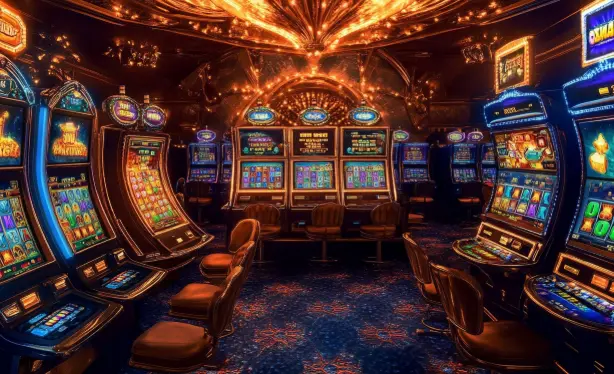
Which Minecraft Servers Have Casino Games? A Deep Dive into Virtual Gambling Realms
The intersection of sandbox gaming and simulated wagering has produced a niche but fiercely dedicated ecosystem. Players seeking Minecraft casino servers are not merely looking for slot machines—they demand robust plugin architecture, provably fair RNG systems, and economies that mirror real-world betting dynamics. 🎰 These servers operate within a grey zone of Minecraft's EULA, often relying on in-game currency rather than real money, yet the thrill remains palpably authentic.
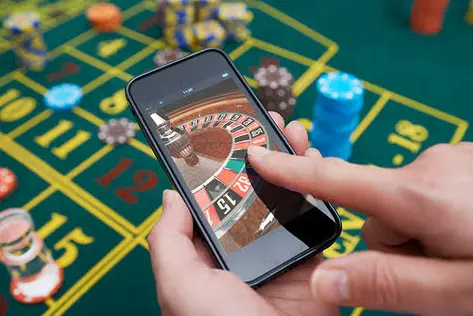
Understanding the Plugin Infrastructure Behind Virtual Casinos
Most Minecraft casino servers utilize custom Java plugins such as Citizens for NPC dealers, Vault for economy bridging, and specialized gambling APIs that simulate deck shuffling, roulette wheel physics, and slot reel randomization. The technical sophistication varies wildly—some servers run crude command-block randomizers, while elite platforms employ cryptographic hashing to ensure provable fairness. Players should scrutinize server documentation for terms like "SHA-256 seed verification" and "client-side seed control." Without these, the house edge becomes opaque and potentially predatory. 🎲
Prominent Servers Featuring In-Game Gambling Mechanics
Several established networks have cultivated reputations for hosting casino-style minigames. These include servers that offer blackjack against AI dealers, Texas Hold'em tournaments with buy-ins, and virtual sports betting on automated PvP arenas. The key differentiator lies in liquidity—servers with active player bases ensure betting pools remain deep enough to attract high-rollers. Conversely, ghost-town servers with inflated house edges quickly bleed their communities dry. Always verify player counts and recent transaction logs before committing your hard-earned diamonds or emeralds. 💎
Risk Management and Regulatory Considerations for Players
Engaging with Minecraft casino servers carries inherent risks beyond losing virtual assets. Many platforms lack transparent dispute resolution mechanisms, and staff corruption—where moderators manipulate RNG outcomes—is a documented phenomenon. Savvy players demand open-source plugin code, third-party audit trails, and community-driven reputation systems. Furthermore, the psychological crossover between simulated and real gambling is well-documented; responsible play protocols should be observed even when no fiat currency changes hands. ⚠️
Monetization Models and Their Impact on Fairness
Server owners monetize through rank perks, cosmetic items, and sometimes direct chip sales. The most ethically operated networks decouple real-money purchases from gambling outcomes, offering purely cosmetic rewards instead. When real currency buys in-game chips that can be wagered, the server may inadvertently violate platform terms of service. Players should favor servers that publish detailed economic policies and maintain separate ledgers for cosmetic versus wagering economies. This separation preserves both legal compliance and player trust.
Future Trajectory of Virtual Gambling in Sandbox Environments
Advancements in server-side modding and blockchain-integrated economies are pushing virtual casinos toward unprecedented realism. Expect to see decentralized ledgers tracking every bet, NFT-based chip ownership, and cross-server tournaments with prize pools rivaling small e-sports events. The line between amusement and addiction will blur further, making due diligence non-negotiable. For now, the discerning player navigates this landscape with equal parts enthusiasm and skepticism, extracting entertainment value while sidestepping the pitfalls of unregulated digital vice. 🃏